
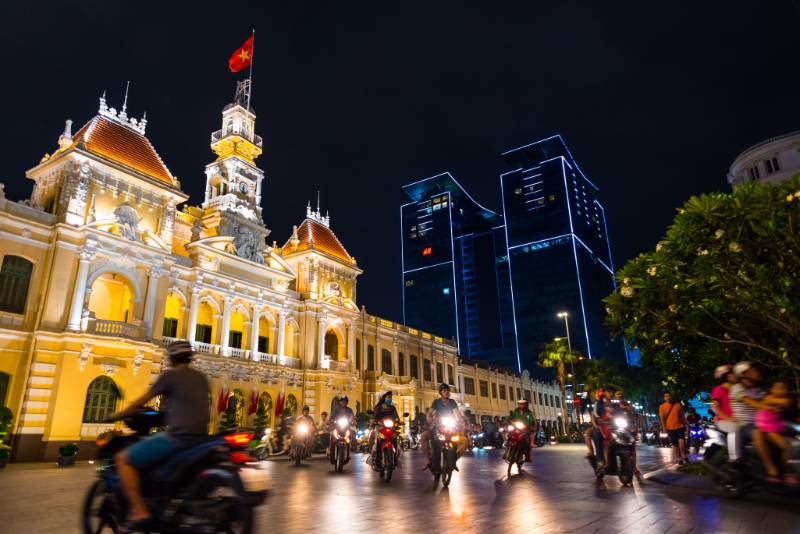
Fortune highlights Vietnam’s tourism boom as international arrivals surge, Chinese visitors soar, and premium travel reshapes Southeast Asia.
Global tourism is entering a new phase of competition, with travelers increasingly seeking destinations that combine affordability, authenticity, and high-quality experiences. According to Fortune, Vietnam has rapidly emerged as one of Southeast Asia’s strongest tourism success stories, attracting record numbers of international visitors while positioning itself as a rising competitor to long-established regional leaders such as Thailand and Malaysia.
Vietnam welcomed more than 21 million international visitors in 2025, marking a 20% increase from the previous year, according to the Vietnam National Authority of Tourism. One of the most significant milestones was Vietnam overtaking Thailand as the most popular overseas destination for Chinese travelers, drawing nearly 5.3 million visitors from China. The achievement underscores Vietnam’s growing appeal in Asia’s largest outbound tourism market at a time when countries across the region are aggressively competing to revive and expand their tourism industries.
The momentum extends well beyond Vietnam’s traditional gateways of Hanoi and Ho Chi Minh City. Fortune noted that emerging destinations are experiencing particularly strong growth, citing data from travel platform Klook showing that visitor numbers to Phu Quoc Island and the northern mountain town of Sa Pa more than doubled in 2025 compared with the previous year. The trend suggests international travelers are increasingly exploring Vietnam’s diverse landscapes, from tropical beaches and luxury resorts to cultural heritage sites and highland retreats.
While Vietnam is widely recognized as a global manufacturing powerhouse and one of Asia’s fastest-growing export economies, tourism has quietly become another major engine of growth, contributing nearly 10% of the country’s GDP. Industry observers say Vietnam is steadily challenging Thailand and Malaysia for regional tourism leadership by combining competitive pricing with improving infrastructure, expanding air connectivity, and a broader range of visitor experiences.
Perhaps more importantly, Vietnam is shifting away from competing solely as a low-cost destination. International tourism experts cited by Fortune say the country is increasingly targeting higher-value travelers through premium resorts, MICE (meetings, incentives, conferences and exhibitions), wellness tourism, and medical tourism. This strategy aligns with a broader regional trend of prioritizing visitor spending and longer stays over sheer arrival numbers.
Visa policy has also become a key competitive advantage. Vietnam has expanded visa exemptions and simplified entry procedures to reduce travel barriers for international visitors. In 2025, the government introduced a tourism stimulus program granting citizens from 12 European countries visa-free entry with stays of up to 45 days, making Vietnam more attractive for extended holidays, remote work, and multi-destination trips across Southeast Asia. At the same time, the country continues investing heavily in airports, transportation networks, and tourism infrastructure to support long-term growth.
Vietnam’s tourism surge reflects more than a post-pandemic recovery—it signals a broader transformation in the country’s economic story. As global travelers increasingly prioritize experience, value, and accessibility, Vietnam is evolving from an emerging destination into one of Southeast Asia’s most dynamic tourism hubs. The next question for investors, airlines, hotel operators, and travelers alike is no longer whether Vietnam can compete with its regional peers, but how quickly it can redefine the region’s tourism landscape.
Related
Discover more from Vietnam Insider
Subscribe to get the latest posts sent to your email.