
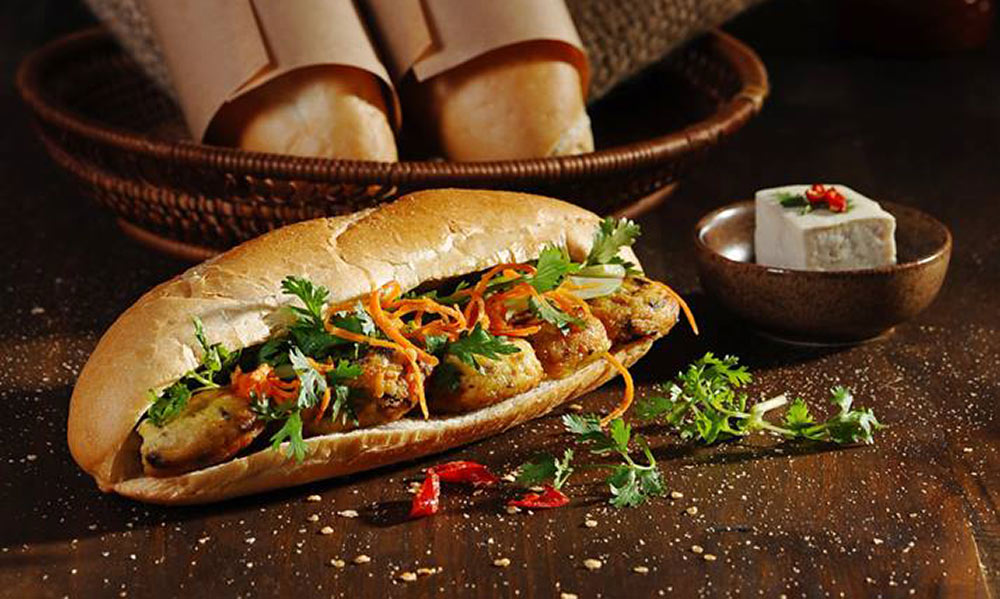
Ho Chi Minh City turns bánh mì into a tourism powerhouse while tightening food safety standards after recent poisoning cases.
As global travelers increasingly seek authentic culinary experiences in Southeast Asia, Vietnam is betting that one of its most iconic street foods — the bánh mì sandwich — can become both a tourism magnet and a soft-power export. In Ho Chi Minh City, the fourth annual Vietnam Bánh Mì Festival attracted more than 250,000 visitors over four days, highlighting the growing commercial and cultural value of Vietnam’s street food economy.
The event, held from April 23 to 26, saw attendance rise 20% from last year, according to the Ho Chi Minh City Tourism Association. Long queues formed throughout the festival as both locals and international tourists crowded into tasting zones, artisan stalls, and culinary showcases dedicated to the country’s globally recognized baguette sandwich.
But this year’s festival unfolded under unusual pressure. Vietnam has recently faced several food poisoning incidents linked to bánh mì vendors, raising broader concerns about food hygiene standards in one of Asia’s fastest-growing tourism destinations. Organizers responded with an aggressive food safety strategy that became the festival’s defining success story.
Authorities required all participating food vendors to complete mandatory food safety training, conduct health checks for kitchen staff, and comply with strict hygiene protocols including gloves, masks, and monitored food preparation processes. Inspection teams reportedly photographed cooking stations throughout the event and maintained real-time oversight, with organizers warning that any violations would result in immediate removal.
Despite Vietnam’s intense summer heat and heightened public scrutiny, officials confirmed that no major food safety incidents were recorded during the festival. The Ho Chi Minh City Department of Food Safety said vendors were subjected to extensive documentation checks, including ingredient traceability, business licensing verification, and daily invoice monitoring for food supplies. Random food sampling and on-site inspections were also conducted throughout the event.
The success carries implications far beyond street food. Vietnam is increasingly positioning gastronomy as a strategic tourism asset alongside beaches, manufacturing growth, and digital nomad appeal. With international arrivals rebounding and Southeast Asia competing aggressively for tourism spending, culinary branding is becoming a key differentiator for cities such as Bangkok, Singapore, and Ho Chi Minh City.
Organizers now plan to expand the festival internationally. Vietnam’s embassy in Singapore has reportedly expressed interest in hosting a future edition abroad, a move that could transform bánh mì from a beloved Vietnamese export into a larger regional culinary brand with commercial potential across Asia-Pacific markets.
The bigger question is whether Vietnam can scale its street food culture globally without losing authenticity — or compromising safety. If Ho Chi Minh City’s bánh mì festival is any indication, the country is trying to prove that informal street cuisine can evolve into a world-class tourism industry while keeping the flavor that made travelers fall in love with Vietnam in the first place.
Related
Discover more from Vietnam Insider
Subscribe to get the latest posts sent to your email.