
One of the most delightful surprises international travelers experience in Vietnam is receiving spontaneous invitations into local homes for a feast. With no prior acquaintance or mutual connections, visitors often assume they misheard the offer. According to many travelers, these impromptu meals always feature abundant platters, multigenerational laughter, children darting about, and elders who heap delicious food into every guest’s bowl.
Foreign visitors find themselves captivated not just by the rich regional dishes, but by the astonishing ease with which families welcome an outsider into an intimate gathering.
Across social networks, many travelers openly ponder why Vietnamese hosts open their front doors so effortlessly. With a bright smile, locals pull up an extra plastic stool and treat a newcomer like a long-lost friend.
In many Western nations, bringing a stranger home for dinner demands a clear reason. Family meals remain private domestic sanctuaries. Furthermore, landmark occasions like weddings, ancestor memorial days (đám giỗ), and Lunar New Year gatherings are reserved strictly for kin and close acquaintances. Consequently, receiving an unprompted dinner invitation in Vietnam feels both enchanting and delightfully bewildering to foreign guests.
Firsthand Tales of Spontaneous Hospitality
On forums like Reddit and TripAdvisor, travelers frequently recount these heartwarming encounters. Thomas, a visitor from the United Kingdom, shared his unforgettable evening in the southern hub:
“While traveling in Ho Chi Minh City, I was walking back to my accommodation when a local family waved me inside their home to eat and drink. We had never crossed paths before. Yet they fed me, poured beers and rice liquor, and chatted warmly as if we were lifelong friends.
What amazed me even more was walking past their doorstep the next afternoon. The family recognized me instantly, gave me fresh snacks, and even bought extra takeaway food for my journey. Where I come from, inviting a stranger off the pavement into your dining room is almost unheard of. Their open-hearted spirit touched me deeply.”
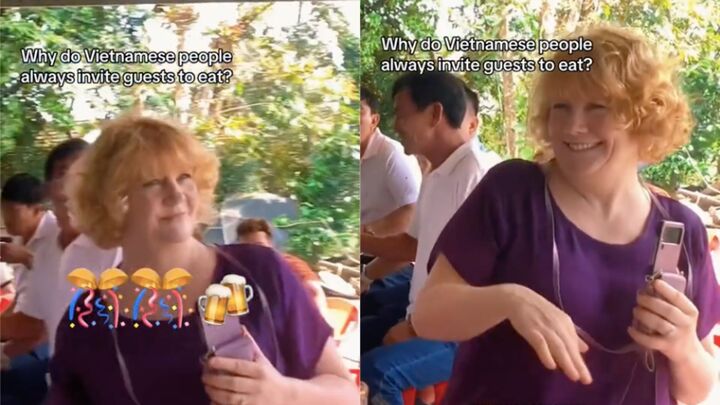
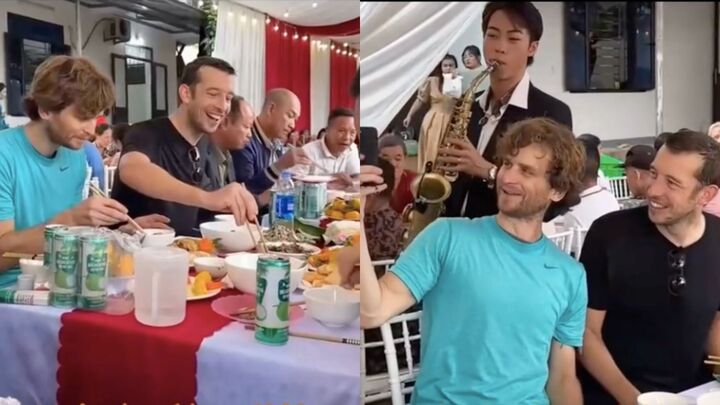

Many travelers simply walking by are fortunate enough to receive a warm invitation into a family meal.
Similarly, Daniel, an American professional on an extended assignment, recalled a spontaneous wedding encounter:
“I spent nearly two months working in Vietnam. One evening, while walking back to my apartment, I strolled past a lively wedding reception. A young man called out to me, asking if I was hungry, and immediately escorted me inside to celebrate. They seated me at a banquet table. Soon, older ladies placed portions of every delicacy onto my plate, while the older men toasted me with rice wine. I was speechless because everything unfolded with such natural grace.”
Anna, a traveler from Germany, echoed that sentiment during her journey through central Vietnam:
“What I love about Vietnamese feasts is how seamlessly people draw an outsider into the celebration. I once walked past a family gathering in Quang Nam and had zero time to prepare myself mentally. One minute I was an ordinary passerby; the next minute, I was sitting in the middle of a bustling banquet table. They asked where I came from and how long I had been traveling, then introduced each dish one by one. That hospitality felt remarkably genuine and unscripted.”
Luke Faulkner, a Canadian traveler exploring northern mountain valleys, shared a similar discovery:
“I had the chance to stay with a local family in Ha Giang, where I experienced an extraordinary level of hospitality. We shared evening meals, toasted with corn wine, and talked about daily life during a feast hosted by his wife’s relatives. Suddenly, I no longer felt like a mere tourist; I felt like an old friend returning home. That profound sense of warmth makes me want to visit Vietnam again.”
A Communal Culture Where Food Builds Bridges
Seeking to explain this cultural puzzle, Vietnamese netizens offered insightful commentary in discussion threads. Quang Hieu explained:
“In truth, Vietnamese people often extend an invitation without caring who the guest is. When our household prepares a feast, we call out to neighbors who pass by. If a foreign traveler walks past and smiles, we gladly welcome them in too. Traditional Vietnamese dining is communal by design. Everyone gathers around the same round tray, shares the same platters, and shares laughter without rigid boundaries separating guests from family. It is simply our natural way of showing hospitality.”
Offering a complementary cultural perspective, Nhat Minh noted:
“Foreign visitors feel surprised because they view a feast as a private, exclusive milestone. By contrast, Vietnamese culture views a shared table as a bridge of human connection. You encounter this communal generosity especially during weddings, memorial anniversaries, and Tet holidays. Offering someone a seat and a meal carries no expectation of repayment; it reflects common decency and traditional courtesy. Indeed, many Vietnamese hosts feel deeply uncomfortable watching a person stand outside looking in while the family dines, so they warmly invite them inside.”
(Source: kenh14.vn)
Related
Discover more from Vietnam Insider
Subscribe to get the latest posts sent to your email.